
Learning for life.
Connection. Purpose. Independence.
Our students share a desire for connection, purpose, and independence. But their dreams and goals for their lives after Orchard Friends are as distinctive and unique as they are.
Some choose to pursue a college degree. But many set their sights on entering the workforce right after high school, preparing for the freedom and independence that comes with young adulthood.
Orchard Friends’ Transitional Learning Program is designed for those students. We prepare them to pursue their chosen vocation and navigate the working world with confidence.
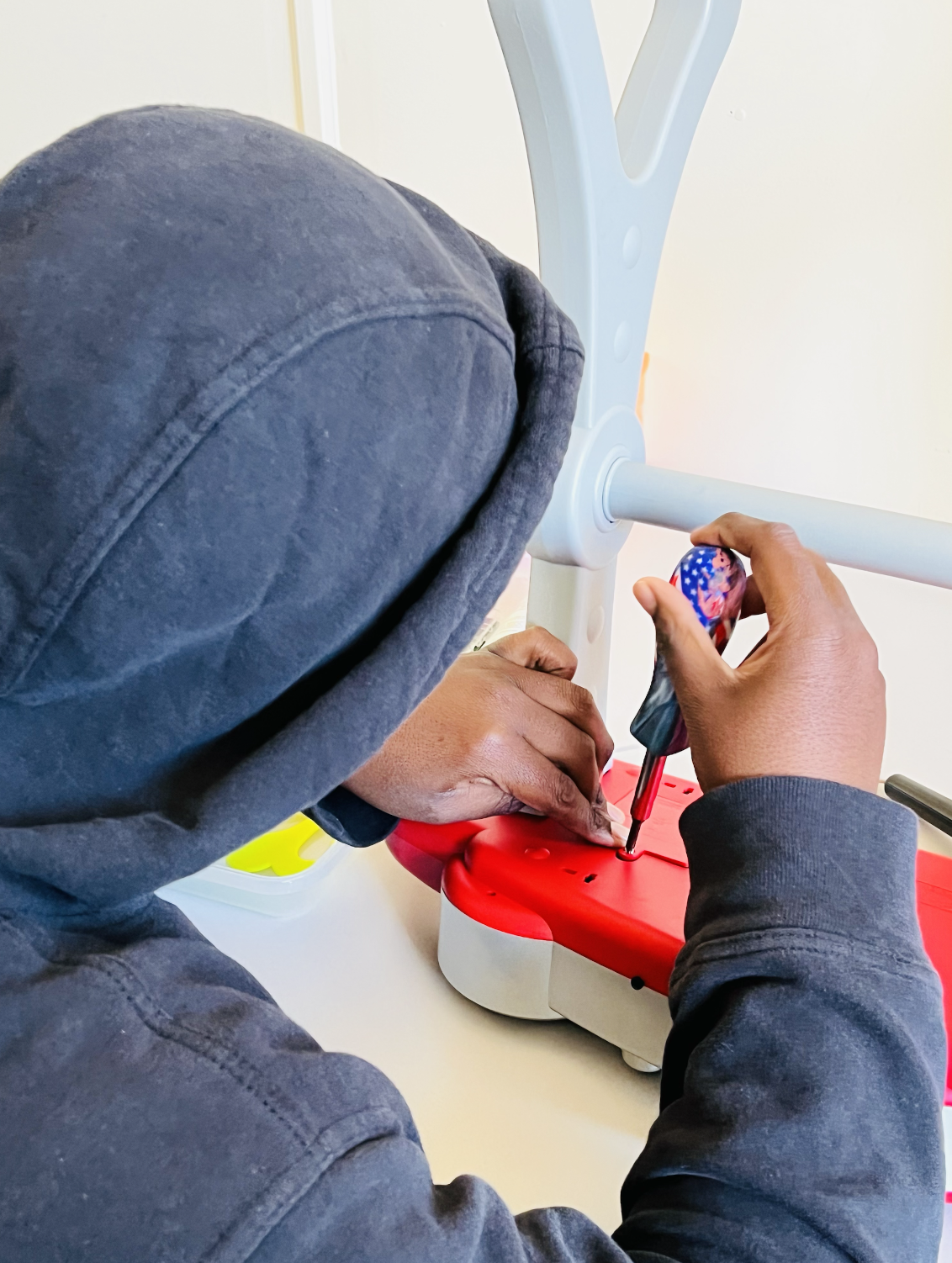
Offered to 15-to-21-year-old students as an alternative (or supplemental) track to our K-12 academic track, our Transitional Learning Program teaches the real world in real world contexts.
By supplementing classroom instruction with coached internships and volunteer opportunities that build critical skills and foster positive experiences in the workplace and in the community, students lay the foundation for their future independence and success—putting their goals within reach.
We want to give our students the world—full, free, and confident access to everything life has to offer. To do this, we begin by bringing the world into our classrooms, where we lay the groundwork for the skills our students will need as young working adults.
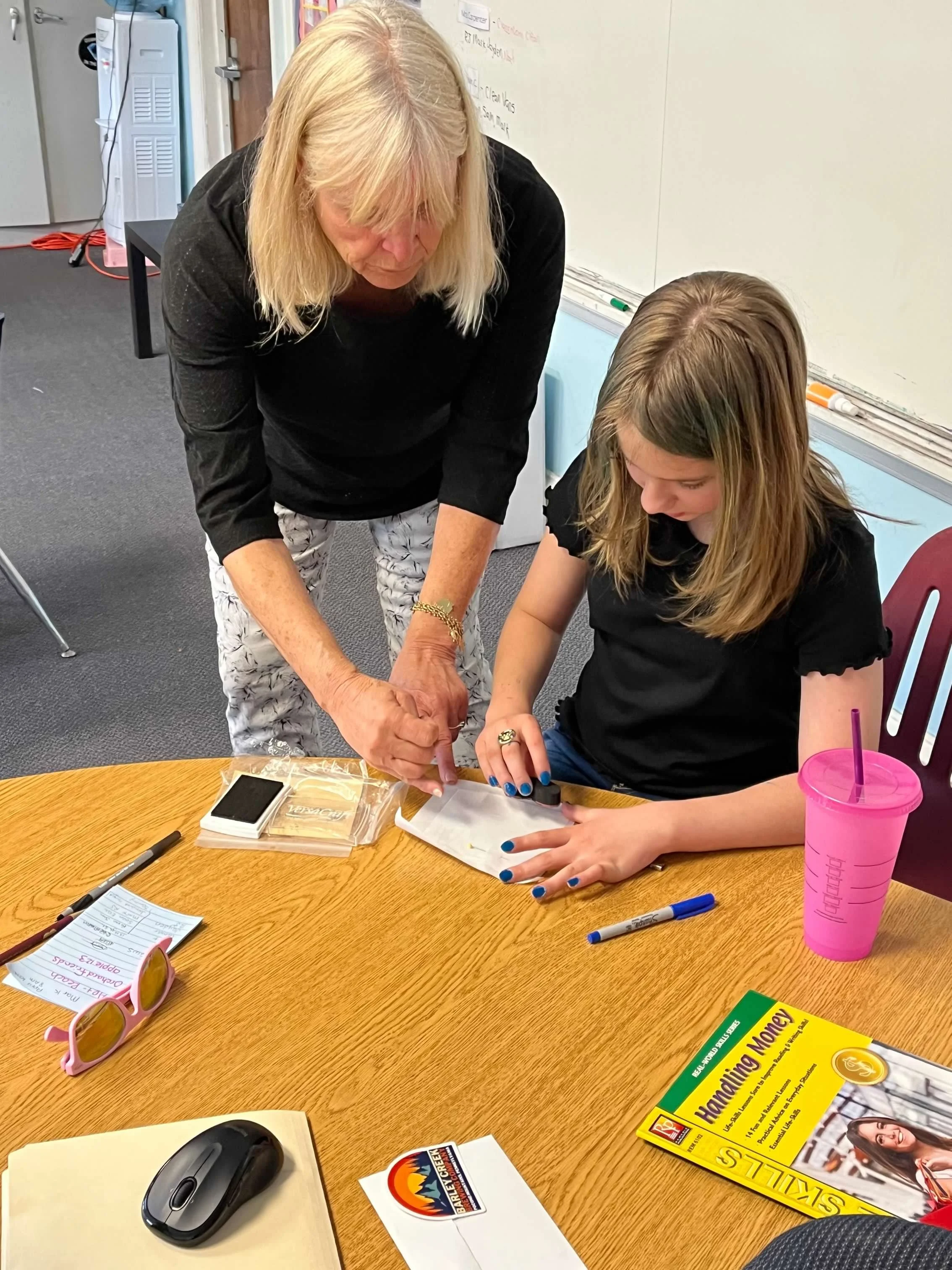
We use our in-class time to teach traditional academic subjects through a real-world, hands-on lens. For example, in math class, our students learn to save, budget, and manage a bank account by adding to, withdrawing from, and monitoring a bank account run through our school. In language arts, we practice speaking appropriately to a manager, interviewing for a job, and engaging with customers.
Preparing for life after graduation also means mastering a variety of practical life skills, from cooking and grocery shopping to transportation and time management to health and hygiene. For this reason, we also offer classes explicitly focused on practicing these vital skills. This might look like meal planning—which includes making a list, navigating to the grocery store, buying ingredients, and preparing a recipe as a team in our school kitchen—learning to work the washer and dryer in our school laundry facilities, or calling to make a doctor’s appointment.
From helping to plan field trips to running our school store, every in-class lesson is paired with hands-on practical application. The result? Not just learning for life–learning that comes alive.
Bringing the world into our classrooms.
“Quote goes here.”
— Pam Carpenter, Title
The real classroom is the real world.
The real classroom is the real world.
While our Transitional Learning Program starts in the classroom, it doesn’t end there. From coached work experiences to volunteering opportunities to field trips designed to bring in-class lessons to life, we believe that the real classroom is the real world.
By supporting our students as they practice foundational skills for adult life, we’re not only opening the door for future employment–we’re teaching them how to stay active, engaged, and socially connected in a world that can feel overwhelming and inaccessible to neurodivergent individuals.
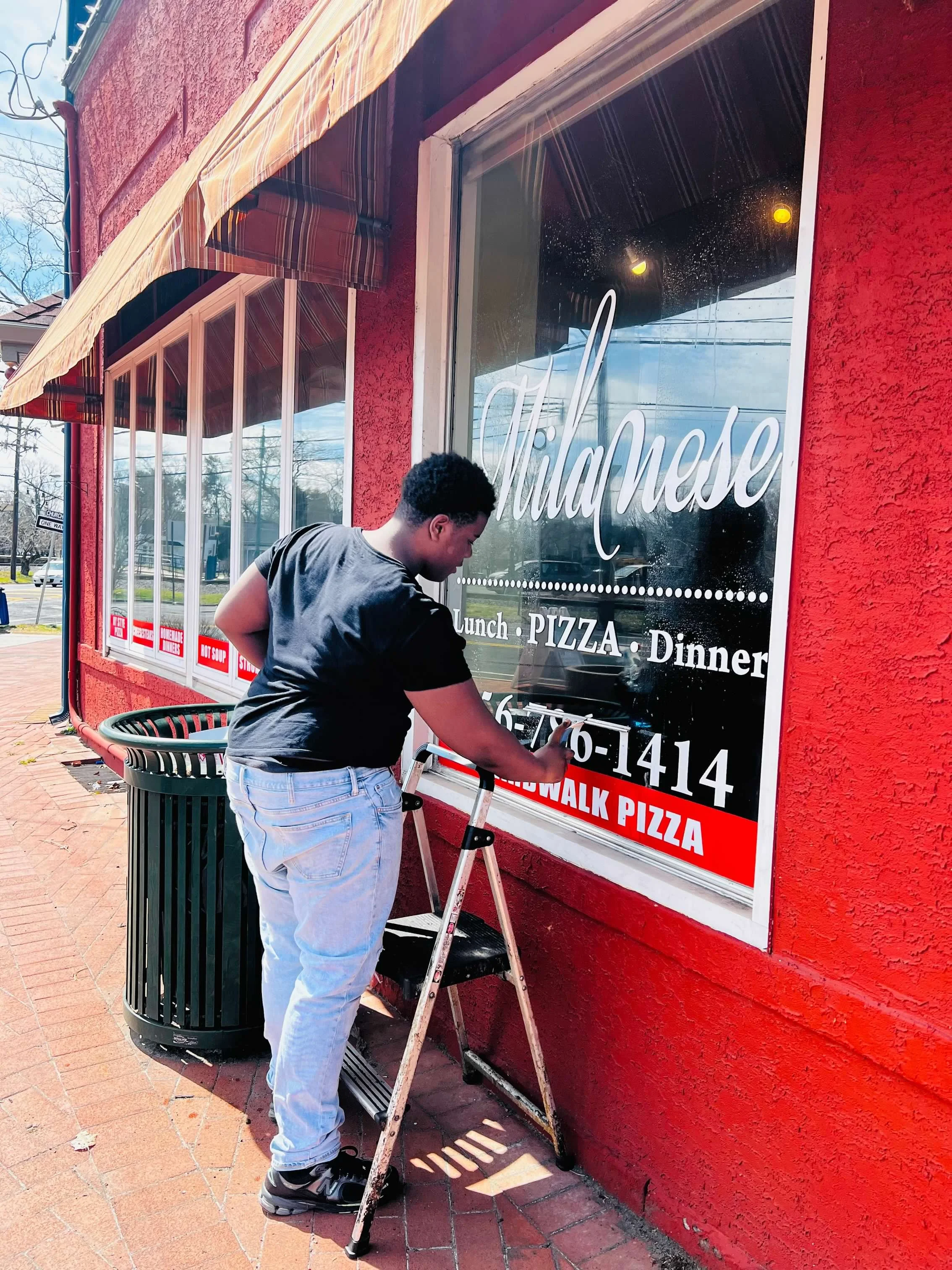
Coached work experiences
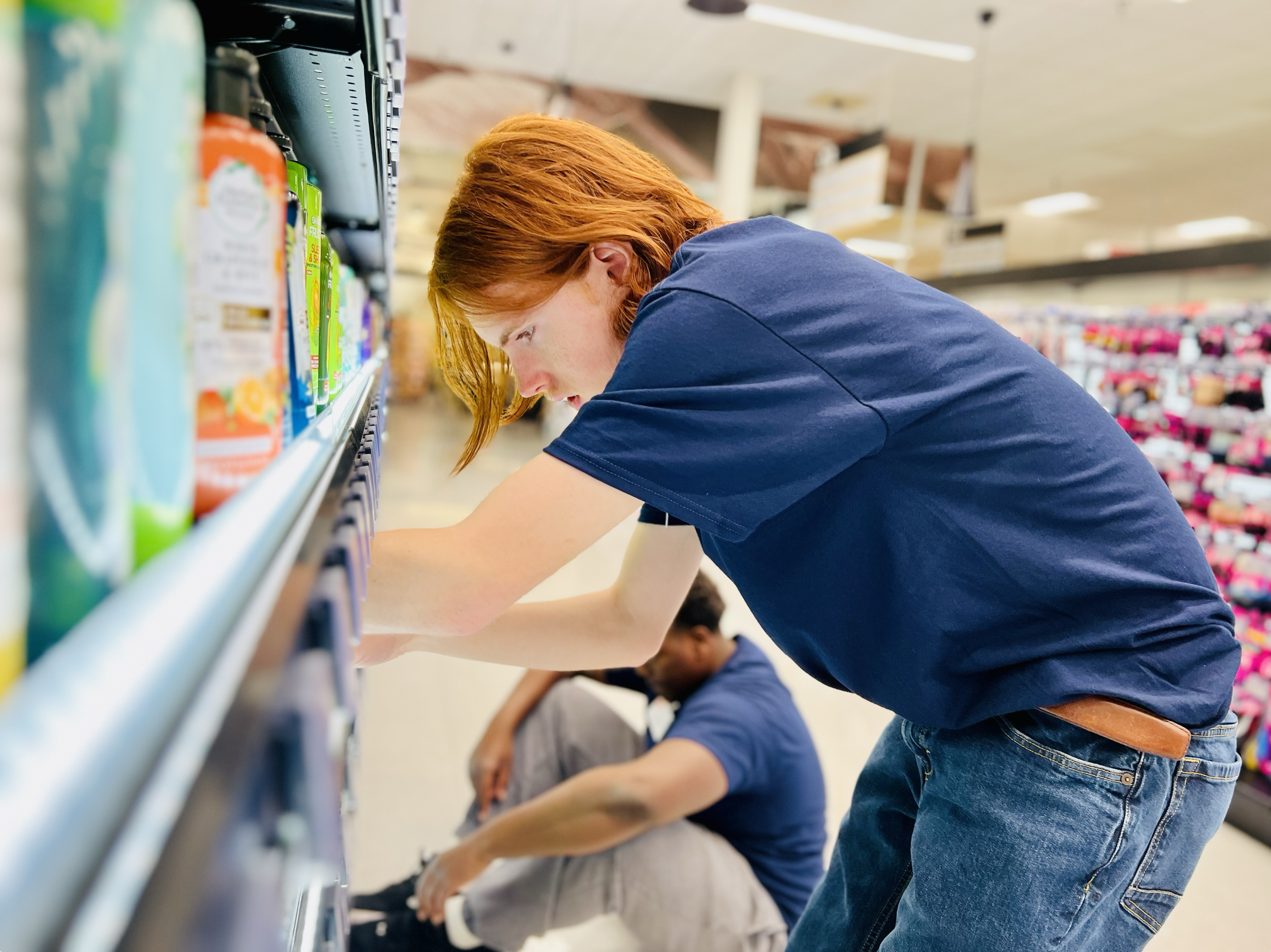
Four afternoons a week, we transport our students to coached work experiences at Milanese Pizza, Shoprite, and the Riverton Public Library. Onsite, our students are stocking shelves, fulfilling online orders, baking cookies, assisting customers, assembling pizza boxes, and more! We are always on the lookout for new community partners to give our students as many different work experiences as possible, especially if a student has expressed an interest in a particular field.
The same faculty who teach our students in class coach them during these work experiences. Having a familiar teacher onsite not only helps to ease the transition between the classroom and a real-world setting, but also enables students to ask questions and request help if needed. It also positions our faculty to reinforce key in-class learnings in real time, helping our students to internalize these critical skills.
Coached work experiences are a vital opportunity to put all of our in-class lessons to the test in a safe, supported, and confidence-building way.
Field trips and volunteering
Just as we do with our coached work experiences, we pair in-class learning with field trips and volunteering opportunities inspired by our students’ interests.
For example, our students recently took a trip to Wardentown on the light rail. In just one outing, we practiced math skills (allocating funds for tickets and lunch and calculating trip times), social skills (ordering at the restaurant, buying tickets at the train station, and spending time in new public spaces), and executive functioning skills (developing an itinerary, navigating to our destination, and time management).
By linking these lessons to trains–a particular area of interest for many of our current TLP students–we generated an additional layer of excitement and engagement that ensured our students will remember both the trip and the takeaways for years to come.
OFS Store
Last year we started a school store, and our Transitional Learning students have been managing every aspect of it!
They maintain a spreadsheet tracking orders and make regular trips to Walmart and Target to buy t-shirts, hoodies, stainless steel tumblers, and other items to brand. The students are also making their own merchandise, using our Cricut machine’s software to create their designs and its cutting machines and heat press to apply the OFS logo.
All the proceeds from school store sales are being put into a bank account to give them additional practice managing money—and they are saving up for a special class trip! Please reach out to [NAME] at [EMAIL] if you would like to place an order for some Orchard Friends merchandise.
Taking on the world.
Every student in our Transitional Learning Program graduates with an achievable, actionable plan in place that aligns with their interests, needs, goals, and abilities.
This is one of the most important things we do for our students. As neurodivergent individuals, our students are at higher risk for isolation, and programs and services drop sharply after age 17. Teaching our students how to stay connected, how to manage social anxiety, and how to find and keep meaningful employment protects against these risks, boosts self-esteem and self-efficacy, and creates a strong relational foundation that lasts a lifetime.
Every student’s plan looks different. But in the past, we’ve supported them in completing applications for jobs or vocational school, helped them find apartments and prepare for independent living—or secure apprenticeships to pursue a trade.
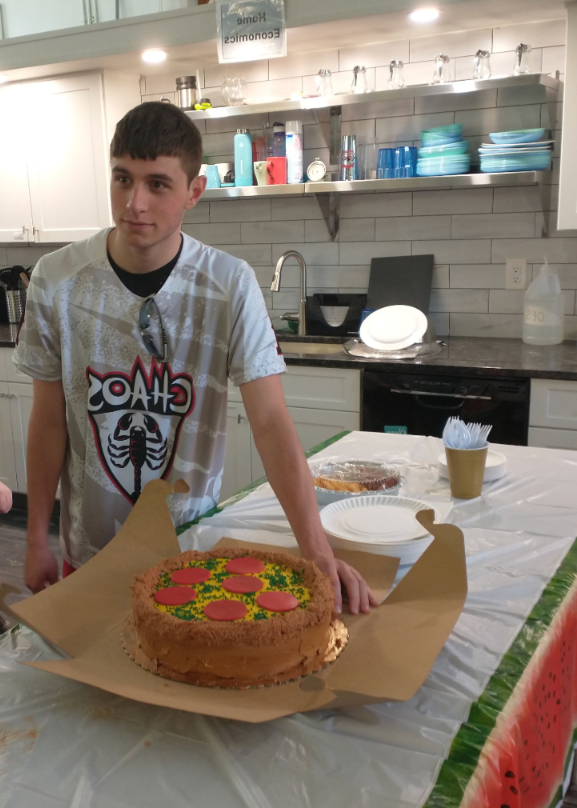
“Cole knew he wanted to enter the workforce after he graduated high school, and my husband’s friend, who owns a bakery and knew that Cole loved to bake, reached out and said ‘I’ll hire him!’ We were so excited; it was the perfect opportunity. It was important to us that he go through the interview process: to have Cole dress professionally and go to the store to formally interview for the position—and he did!
Orchard Friends really built up Cole’s self-confidence. They showed him that he is capable of doing anything. There is such a need for this school. Cole wouldn’t be where he is today if it wasn’t for Orchard.”
–Pam, Cole’s mom
TLP on the road.

